Blog

Bad releases cost more than good QA. Here's everything CTOs, QA leads, and engineering teams need to stay ahead - automation strategies, security testing, real-world guides, and no fluff. Practical QA content for engineering leaders - automation strategies, security testing, CI/CD guides, and real-world insights from a team with 10+ years in the field.

How to Use iOS 18 Update to Give Your App an Edge
Reading time: 5 min

How to Use iOS 18 Update to Give Your App an Edge

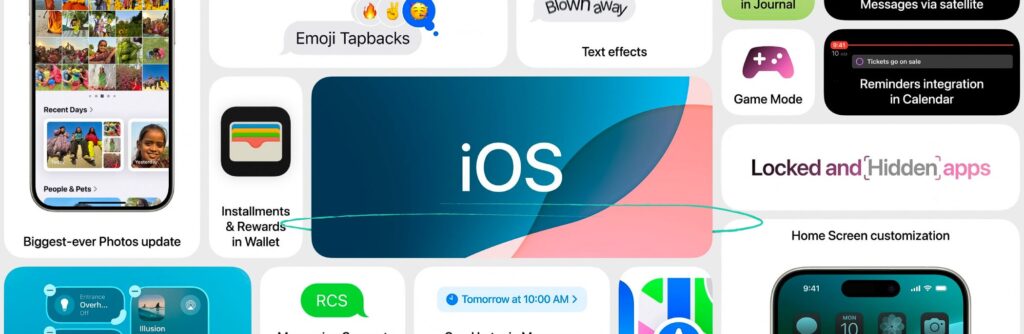
Mobile apps are all about ease of use and convenience. Nothing makes these two more prominent in your product than customization availability. Perhaps that’s why the new iOS 18 banked on fresh personalization and process simplification features. Today, we discuss Apple’s hot update and what it means for your applications. iOS 18’s New Features & Their Implications This article isn’t going to dissect and fawn over Apple’s new stuff. We’re going to talk about how you can benefit from it and what you should add to your own apps. That’s why we’ve picked only those features that will have the biggest impact on your product. Customizable App Icons Getting to set up your own space evokes a special sense of ownership and belonging. With iOS 18’s customization options, people can now spend even more time immersed in their phones by playing around with their app icons.  Apple now offers three styles for its icons: Light. Dark. Tinted. For u...
Read more
  • All Solutions
  • Accessibility Testing
  • Performance Testing
  • Regression Testing
  • All industries
  • E-Commerce & Retail
  • E-Learning
  • Fintech
  • Healthcare
  • Hospitality
  • Logistics & Delivery
  • Marketing & Sales
  • Media & Entertainment
  • Software Development
  • Sports & Fitness
  • Supply Chain
Testing in Production
Reading time: 8 min

Testing in Production: Risks, Benefits, and Best Practices

By QA Madness Team | 29 Jul 2021 | Last updated: June 2026 Testing in production means running software tests against a live environment with real users, real data, and real traffic. It does not mean shipping untested code and hoping for the best — that is a common misconception worth clearing up immediately. Staging environments are useful, but they have limits. Variable configurations, synthetic data, and the absence of actual traffic patterns mean that a staging run can produce results that simply do not reflect what happens in production. Some bugs only appear under real load, with real user behavior, and in real infrastructure conditions. Testing in production is the only way to catch them. That said, production testing is not a replacement for pre-production QA. It is a supplement — a final layer of validation that sits on top of your existing [manual software testing](https://www.qamadness.com/services/manual-testing/) and automated testing processes. In 2026, with contin...
Read more
eHealth Software Testing
Reading time: 6 min

Fundamentals of eHealth Software Testing

The traditional interactions between patients, doctors, and pharmaceutical companies are no longer relevant in the digital age. See your doctor, get a prescription, take your meds, and report back to your doctor if you experience any side effects. This was the cycle throughout the treatment period. But during these unprecedented times of digital transformation, technology is driving change and innovation in the healthcare industry. Electronic systems hold a vast amount of patient data, and they are being adopted by an increasing number of medical facilities. Digital health services such as telemedicine, chatbots for patient triage, AI-enabled medical devices, and electronic health records are reshaping how patients engage with health professionals, how data is shared among providers, and how treatment plans and health outcomes are decided and administered. The Importance of eHealth Software Testing In line with global digitization, healthcare institutions are increasingly developing ...
Read more
Reading time: 6 min

QA for Media and Entertainment: How to Test Your Digital Platform

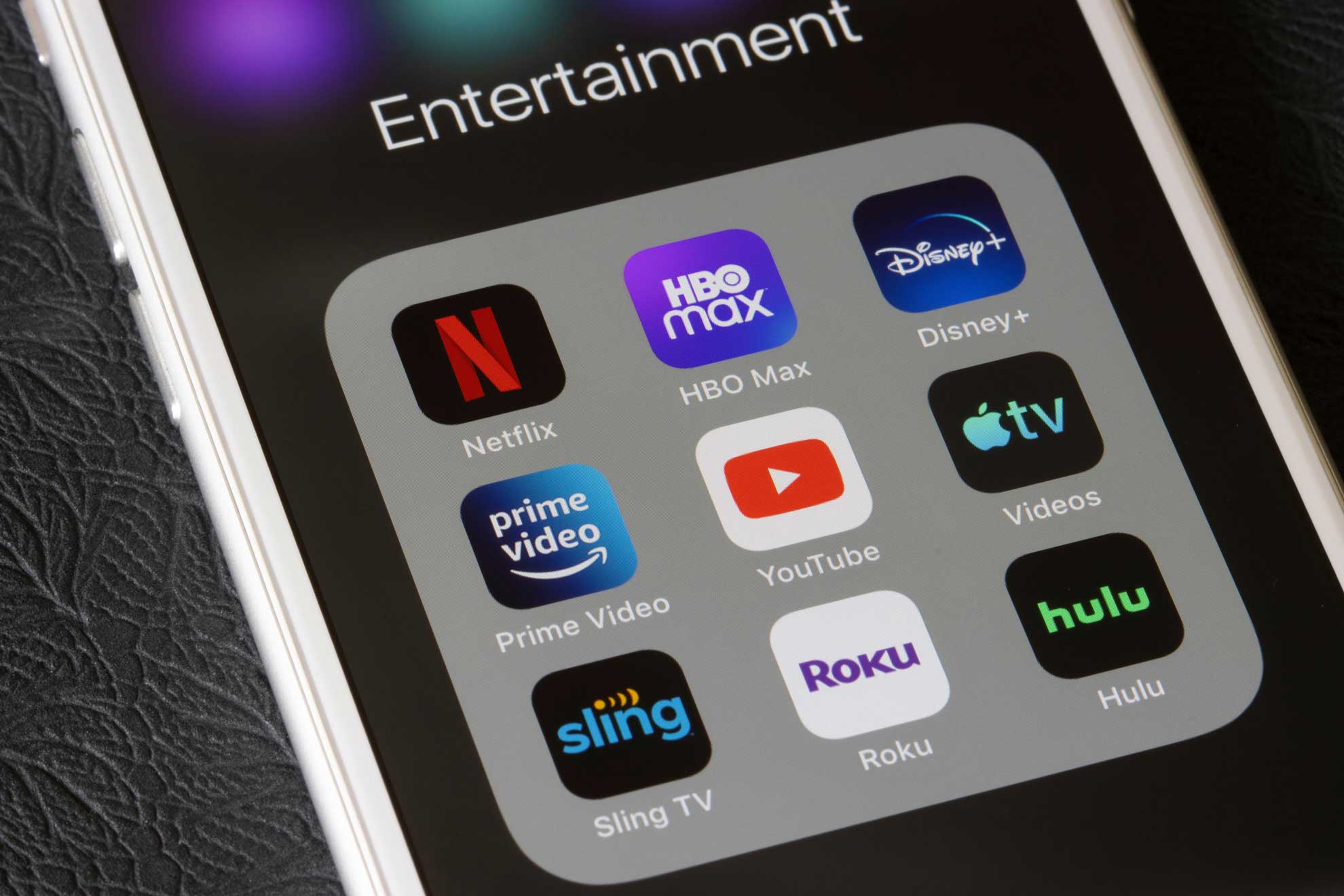
The media and entertainment industry is on the rise. In a way, we can say something like this about many niches. Still, taking into account easy access to technology and the internet, restrictions regarding social interactions, an abundance of content released every day, and an increasing number of options for digital entertainment, one can say without a doubt that entertainment apps and services are among the most frequently used. Brief Overview of the Entertainment and Media Market In 2017, 67% of smartphone users utilized gaming, entertainment, news, and sports apps, coming back to the apps 2x to 3x times a day, according to Ipsos MORI research. 55% of people reported using entertainment apps while relaxing. PWC predicts that during the next five years traditional TV will lose up to 25 million subscribers. Meanwhile, the OTT sector (over-the-top media services, such as streaming platforms, etc.) is expected to see a 6.9% CAGR increase by 2025. While the fast internet is becoming a ...
Read more
Reading time: 6 min

How to Write a Bug Report: a Brief Guideline

Out of all the test artifacts, there is a one software tester encounters every day. It is a bug report – a document describing a problem, its severity and priority, and the steps that allow reproducing this problem. Using bug reports, developers can quickly identify what part of code works incorrectly and fix it. A well-written bug report guarantees efficient cooperation between a developer and a QA team. Therefore, creating good bug reports is one of the most important skills for a software tester. So how to make a bug report that will make developers happy? We’ll share some tips based on the experience of our QA specialists. How to Write a Good Bug Report When it comes to documentation writing, there is a universal rule you can use: make it simple. The simpler, the better. However, simple doesn’t mean short. Bug reports should feature the details that let a reader understand the nature of a defect. In other words, there should be enough information to see how the...
Read more
Reading time: 13 min

EdTech Software Trends and Quality Tips to Keep In Mind

EdTech services are becoming more widely used by both academic and corporate sectors. The digitalization of education started a while ago, and it gained a powerful boost in 2020. Due to the circumstances, schools, universities, and companies were to adapt their learning and training curriculums to the available online methods. Despite inconveniences and inequality concerns, this experience reminded (and to some, revealed) the true potential of educational technology software. The present climate opens immense possibilities before EdTech software companies. However, the competition also becomes more intense. The creation of a product that will attract attention comes with thorough research, careful implementation of logic and features, and, of course, lots of testing. Our CTO has already shared some information about e-learning testing in her blog. In particular, she explained what to focus on when testing educational platforms, tools, and technologies. In this article, we gather...
Read more
Reading time: 6 min

Best Approach to Fintech App Testing When Under Pressure

Fintech is a growing industry with an increase in investment and technology that’s expanding like never before. The global fintech market has an expected annual growth rate of over 23% between 2021 and 2026 to reach a market value of US$324 billion by 2026. This may be a staggering estimation, but infrastructure-based technology is transforming the future of the financial services industry. Because of emerging technologies, Fintech companies are able to deliver low-cost personalized products that are resulting in an increase in customer expectations. AI interfaces and chatbots are redefining customer service, while Fintech solutions look to replace legacy online and mobile banking systems. However, for Fintech companies to be profitable, they need a successful platform, skilled developers, and QA to offer a competitive product while adhering to strict industry regulations. The latter should entail, among other things, mobile testing services tailored to the product's needs. What’...
Read more
Reading time: 7 min

Managing the Obscure Boundaries Between Development, QA, and DevOps

As technology has advanced so have the processes with IT organizations. DevOps is fast-becoming the pinnacle framework for software development companies with the promise increased business agility, accelerated product delivery, and higher product quality. Moving away from the traditional waterfall approach that included labor-intensive tasks such as manual software testing, DevOps streamlines, automates, and shortens the development life cycle. This has become a necessity in today’s increasing competitiveness in the software app market. The transition of software practices encompasses more than just process change or the adoption of different tools. People sit at the heart of efficient processes and DevOps is built on the foundation of eliminating barriers between roles. Modernized Characters in a Modern Process The success of DevOps starts with a refreshed mindset regarding key roles within the software life cycle. This involves having the right people with the right skills who ar...
Read more
Bug Severity vs Priority: Defect Management Guide 2026
Reading time: 11 min

Bug Severity vs Priority: How to Manage Defect Fixing in 2026 

As you push for faster releases, you will inevitably hit a roadblock: bugs. Often, these issues first surface during routine manual software testing. When your team finds a defect, the first question is always "What do we fix first?"  This is where many projects face tension between QA engineers, developers, and stakeholders. To clear the air and keep your project moving, you must understand two distinct concepts: bug severity and bug priority. As a leading software testing company, we know that distinguishing these two is the secret to a smooth development lifecycle. This guide explains the critical differences between bug severity and priority, helping QA teams effectively manage defect fixing in software development. Understanding these two concepts is essential: severity measures how seriously a bug impacts the system, while priority determines how urgently it needs to be fixed. Confusing the two leads to misallocated resources, delayed releases, and critical bugs slipping thr...
Read more
Reading time: 7 min

How to Choose the Right Devices for Compatibility Testing?

Device and software fragmentation are among the key factors to pay attention to during the development of a new software product. There’s no guarantee that a website or an app will run smoothly on all the existing devices by default. Even slight differences in hardware and software specifications can significantly affect the end-user experience. Thus, it is essential to run cross-device, cross-platform, and cross-browser checks. All these activities fit under the umbrella term compatibility testing services. Theoretically, the more devices you use for manual software testing, the wider coverage you can achieve. Testing software on more devices should allow finding and eliminating a maximum possible number of defects. This idea sounds reasonable, but it doesn’t always work that way in practice. On the one hand, it is not possible to cover 100% of the market. On the other hand, it is not necessary. There are devices sold only in particular regions, and it is unlikely for your tar...
Read more
1 23 24 25 41

Subscribe to our newsletter

QA Madness
Privacy Overview

This website uses cookies so that we can provide you with the best user experience possible. Cookie information is stored in your browser and performs functions such as recognising you when you return to our website and helping our team to understand which sections of the website you find most interesting and useful.